Machined Pens: Aluminium vs Titanium vs Brass, and the Refill Inside
The metal decides how it sits in your hand. The refill decides how long you keep it.
5 min read
- A typical machined aluminium pen
- 20–30 g
- A typical titanium pen
- 35–45 g
- Brass, which darkens with use
- 50 g+
- The standard behind common refill sizes
- ISO 12757-2
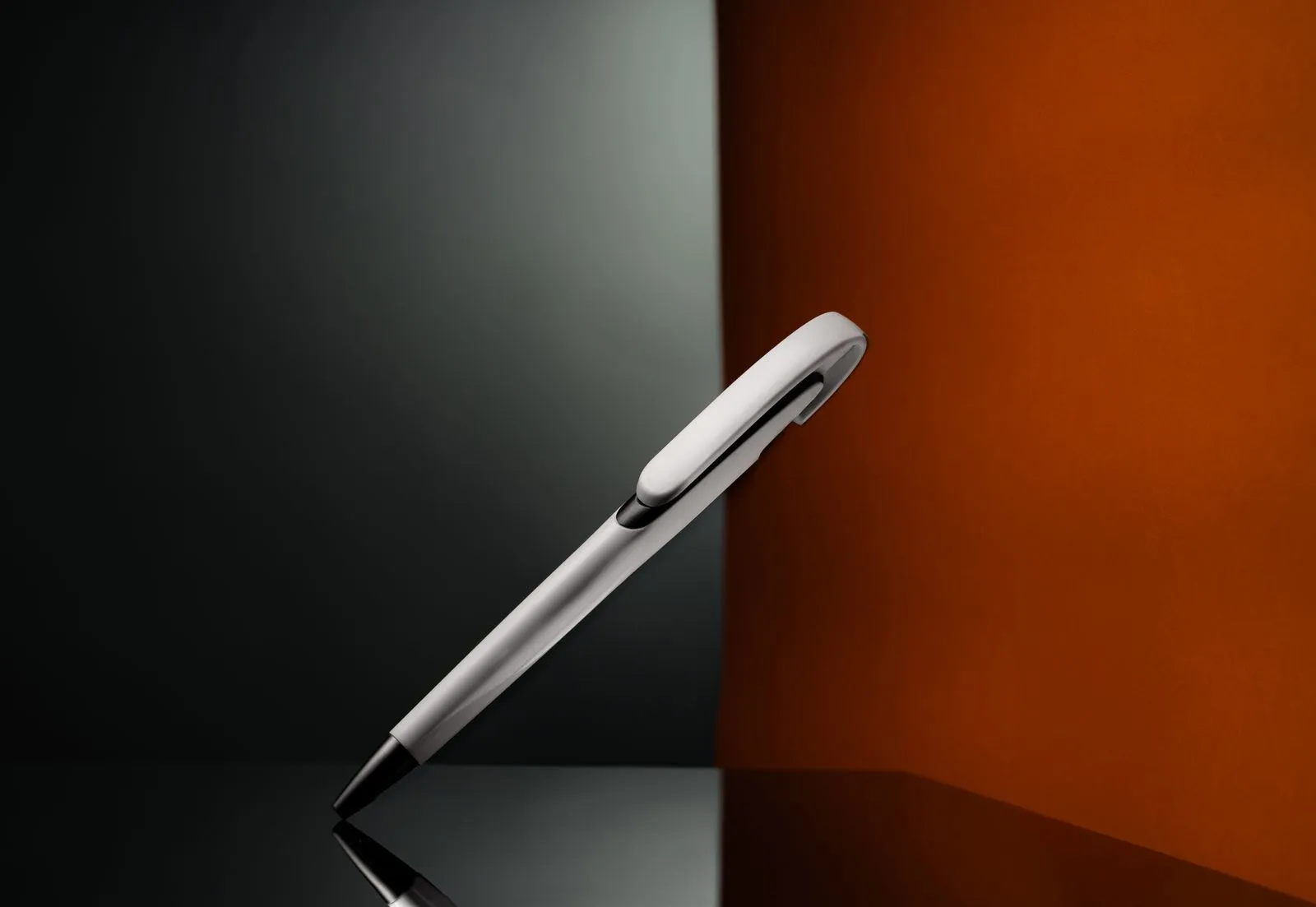
A machined pen is a simple object: a metal tube, a mechanism, and a refill. The metal gets all the attention. The refill is what decides if you still use the thing in five years.
Three decisions cover it. Which metal, which mechanism, which refill. Pick them in that order, then check the refill before you pay.
Aluminium vs titanium vs brass
The body metal decides the weight, and weight decides how a pen feels to write with. Figures vary by maker and wall thickness, so treat these as typical ranges.
| Metal | Typical weight | How it wears | What people like about it |
|---|---|---|---|
| Aluminium | About 20–30 g | Usually anodized; the colour can wear through at edges | Light, cheap to machine, lots of colours |
| Titanium | About 35–45 g | Doesn’t corrode; scratches, but shrugs off most daily use | Stronger than aluminium at a moderate weight |
| Brass | 50 g and up | Darkens into a patina with handling | Heft, and a finish that changes over time |
Aluminium is the entry point. Light enough to forget in a pocket, and anodizing gives it colour. The tradeoff: anodizing is a surface layer, and on sharp edges or knurling it tends to wear back to bare silver metal over time.
Titanium sits in the middle on weight. It resists corrosion and doesn’t react with sweat, and it’s harder to machine, which is most of why it costs more. It scratches like any metal. Bead-blasted and stonewashed finishes hide it better than polished ones.
Brass is the heavy one. Bare brass oxidises, going from bright gold to brown with fingerprint marks along the way. Some owners want exactly that; others polish it back every few months. Brass goes ugly before it goes good. Know which camp you’re in before buying. A heavy pen also suits some hands and tires others on long writing sessions, so if you write for an hour at a stretch, lighter is the safer bet.
Stainless steel and copper exist too. Steel lands near brass on weight without the patina; copper is heavier still and changes colour faster.
Click, twist or cap
How a pen opens matters more than it sounds.
| Mechanism | Strength | Weakness |
|---|---|---|
| Click | One-handed, fast | Gets noticed on calls and in meetings |
| Twist | Quiet | Needs two hands |
| Cap | Seals the tip | The cap is one more thing to lose |
| Bolt action | One-handed, satisfying slide | Adds some length and a side slot |
A click pen wins for quick notes. A twist pen stays quiet in a meeting. A capped pen is the one that matters for rollerball and fountain pens: their ink is liquid and dries out at an exposed tip, so the cap isn’t decoration.
Bolt action, where you slide a small lever along a slot to extend the tip, is common on machined pens. Fans like the mechanical feel. It’s also the mechanism most likely to be fiddled with during a call.
Pick a pen by its refill
Before you buy a pen, check the refill it takes. A standard refill size means years of easy ink swaps and plenty of choice, from gel to ballpoint. An odd proprietary size ties you to one maker’s refills, and if they stop making it, the pen becomes an ornament.
The good news is that refill sizes are standardised. ISO 12757-2 defines the common formats, and most machined pens are built around one of them, or around a sleeve system that takes several.
| Refill format | Roughly | Found in |
|---|---|---|
| Standard G2 refill size | 98 mm long, about 6 mm wide | A huge range of ballpoint and gel pens; the most common swap-in size |
| Standard D1 refill size | 67 mm long, about 2.4 mm wide | Compact pens and multi-pens |
| Long gel refill | Around 110 mm | Many retail gel pens; some machined pens are cut to fit it |
| Rollerball refill | Varies by maker | Capped rollerball pens |
The G2 size is the one to look for if you want choice. Gel, ballpoint and hybrid inks all come in it, in several tip widths. Many machined pens also advertise “accepts over 100 refills” through adjustable spacers. That works, though owners commonly report a little rattle with the refills furthest from the pen’s native size.
Gel vs ballpoint vs rollerball
Same body, different ink, very different line.
| Ink | How it writes | Watch out for |
|---|---|---|
| Ballpoint | Oily, thick ink; needs a little pressure | Fainter line; occasional blobs |
| Gel | Smooth, wet, vivid colour | Smudges easily; left-handers notice |
| Rollerball | Liquid ink, the smoothest of the three | Bleeds through thin, cheap stock; needs a cap |
| Fineliner | Fibre tip, precise, dries fastest | Tip wears down with heavy pressure |
Ballpoint ink is oily, so it survives a sweaty hand, rarely smudges and works on glossy surfaces. Gel lays down a darker, wetter line with less effort, at the cost of drying time. Rollerball is the smoothest of all but the least forgiving about the surface it’s used on.
Fountain pens, for the curious
Fountain pens run on liquid ink and gravity, so the choices are different.
Nib sizes. Nibs are graded by line width: EF (extra fine), F (fine), M (medium) and B (broad). EF and F suit small handwriting. M and B put down a bolder, wetter line that shows off ink colour. Nibs from Japanese makers tend to run about a size finer than European ones, so a Japanese medium can write like a European fine. Not sure? Start with fine.
Ink types. Dye-based ink is the easy one: bright colours, flushes out of the pen with water, not waterproof. Pigment ink holds up to water but can clog a pen that sits unused, so flush it more often. Iron gall ink darkens after it goes down and turns permanent, and it wants regular cleaning because it’s mildly acidic. Start with dye.
Cartridge or converter. Cartridges snap in clean and suit carrying, but tie you to whatever’s sold in that size. A converter fits the same spot and fills from a bottle, which opens up any fountain pen ink. Check whether the pen takes standard international cartridges or its own size first. It’s the fountain pen version of the refill question.
The short version
- Aluminium is lightest (about 20–30 g), titanium the middle (35–45 g), brass heaviest (50 g+) and it patinas.
- Click for speed, twist for quiet, cap for any liquid-ink pen.
- Check the refill before the body; the standard G2 size gives the most choice.
- Ballpoint rarely smudges, gel writes darker, rollerball is smoothest and needs a cap.
- New to fountain pens: fine nib, dye ink, a converter if the pen takes one.