

4 min read
Desk Cable Management: Trays, Clips, Sleeves and the Order to Do It
Cable mess under a desk is four cheap fixes done in the right order. The power strip goes first, and most of the rest follows from it.
Subject
Six measurements decide whether a desk works, and depth is the one people regret.
Cable mess under a desk is four cheap fixes done in the right order. The power strip goes first, and most of the rest follows from it.
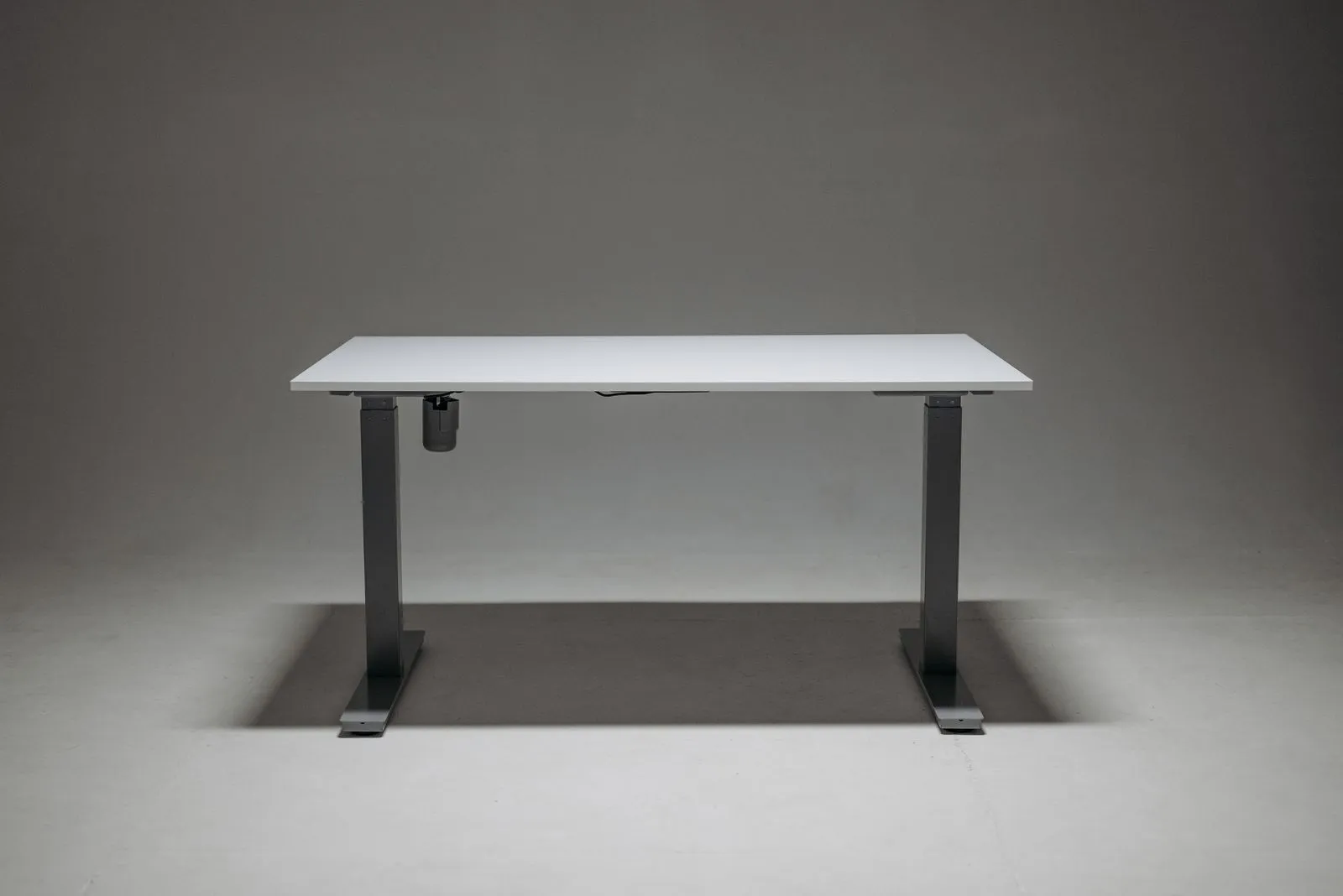
Six measurements decide whether a desk works. Take them before you buy, because depth and clearance are the ones people regret.

Most desk plants die of kindness in a dark room. These four take low light and irregular watering without sulking.
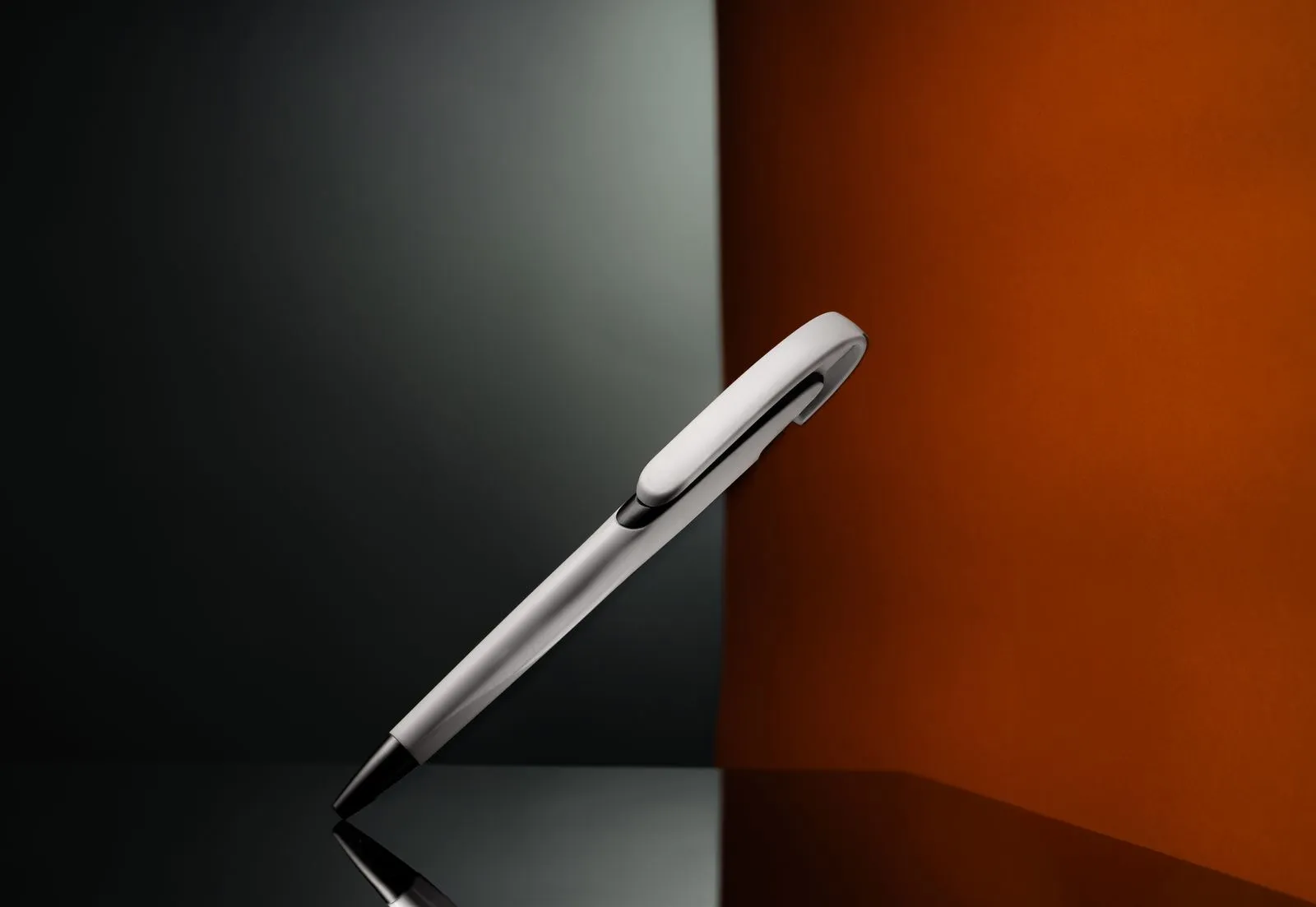
The metal decides how it sits in your hand. The refill decides how long you keep it.

On a small desk, the fix is getting things off the surface, not buying a bigger desk. Here's where everything goes and how high.
Desk culture looks like an aesthetic and it is mostly arithmetic. Height, depth, width, monitor distance, monitor height, and the clearance behind the chair. Get those six right and a plain desk feels good, and the desk height calculator does the first three from your own height. Get depth wrong and no amount of nice objects fixes it, because the monitor ends up too close to your face and there is nowhere to rest your wrists.
Depth is the one people get wrong most. Shop listings lead with width, because width is what looks generous in a photo. But a 27 inch screen wants to sit 60 to 80 cm from your eyes, which means 75 to 80 cm of desk. Plenty of desks sold for computers are 50 cm deep. The six measurements worth taking first includes the 90 cm of floor behind the desk that nobody measures until the chair hits a wall.
72 to 76 cm of height. 75 to 80 cm of depth. 900 by 400 mm for a desk mat, which is the size that holds a keyboard and a mouse without the mouse running off the edge. That mat figure turns up again in gift lists and keyboard pages, because it is the one desk accessory size that is close to universal.
If the desk is small, the fix is vertical. A monitor arm gives back the footprint a riser takes up. A shelf at 38 to 50 cm above the desktop holds the things that were cluttering the surface. A pegboard with its bottom edge 15 to 25 cm up puts tools within reach. Working a small desk upward also covers putting the desk side-on to a window, which is free and fixes glare.
Then the cables, which is the job everyone postpones. It is four parts and an order — start with the power strip and the rest arranges itself around it.
Two things, usually. A pen you like picking up, where the metal decides how it sits in your hand and the refill decides how long you keep it. And something alive, if the room can support it — four plants that tolerate a dark office covers the honest version, which is that most desk plants die of overwatering rather than neglect.
Everything else is negotiable. Lighting is not — about 500 lux on the surface does more for a desk than any object on it, and the board you type on takes up whatever room is left, which is why keyboard size is a layout decision as much as a typing one.
We'd like to use Google Analytics cookies to see which guides get read. No ads, no selling data. Privacy policy.